Bevezetés

Papírbáb használata terápiás foglalkozáson

A Teatr Grodzki 1999-ben alakult civil szervezetként Dél-Lengyelországban, művészeti, valamint oktatási programok széles skáláját kínálja fogyatékkal élők számára, ellensúlyozva az esetleges társadalmi kirekesztést. A hagyományos programok között megtaláljuk a művészeti műhelyeket, dráma- és bábfoglalkozásokat, mesemondást, számítógépes animációt és a képzőművészetet is. Az oktatási programok középpontjában a drámapedagógiai programok és a szociális gazdaság áll. Az általuk kifejlesztett alkalmazások és tananyagok ettől függetlenül minden más területen tevékenykedő szervezet tanárai, diákjai, mentorai és önkéntesei számára is hasznosíthatók a mindennapi életben.

A papírbáb készítése a művészeti műhelyek sajátja, elsősorban fogyatékkal élő, és társadalmilag kirekesztett csoportok számára alkalmazott módszer. A papírbáb készítés oktatási program része is lehet, hiszen fejleszti a manuális készségeket, az önbizalmat, a probléma-megoldó képességet stb, ezáltal növeli az egyén önállóságát.

Célcsoport

  • fogyatékossággal élő tanulók 18 év felett
  • bármilyen életkorú csoport, gyerekek, vagy időskorúak

A tanulók:

  • képesek lesznek a papírbáb elkészítésére
  • képesek lesznek foglalkozások tartására óvodákban, vagy iskolákban 
  • IT készségük fejlődik
  • önállóságuk növekszik
  • önállósága növekszik

Feladat

An explanation of the puppet making task in more detail

Mit csinálnak?

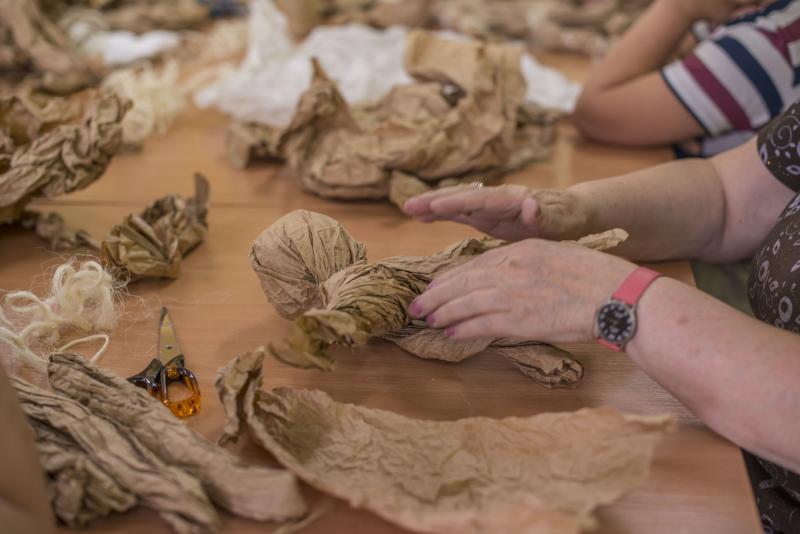
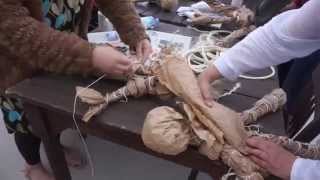
A tanulók csoportja egy nagyobb teremben egy asztal körül készíti a papírbábot csomagólópapír, kötözőmadzag és olló használatával. 

Miért csinálják?

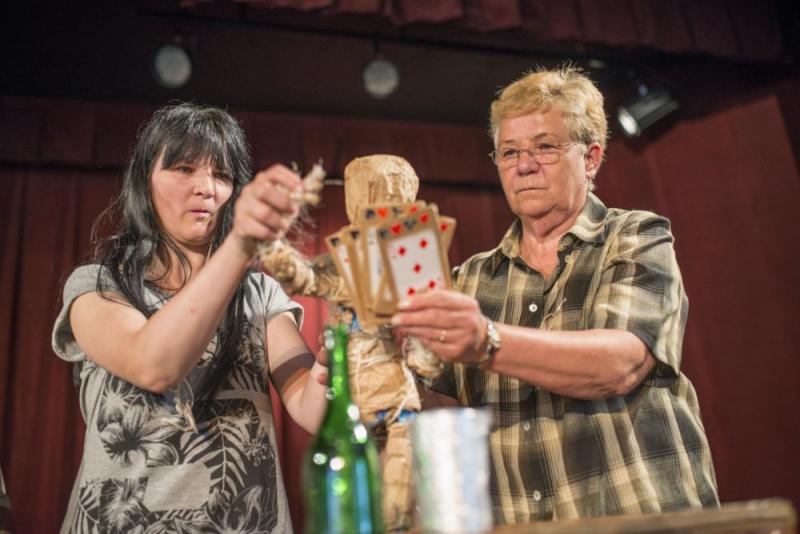
Az így készült papírbábot a bábfoglalkozásokon használják terápiás céllal. Ezen kívül játékként, ajándékként is funckionálhat. 

Mik az elvárások a papírbáb készítése során?

A papírbáb készítést a felnőtt tanulásban akadályozott személyek számára (bár a tevékenység bármely életkorban végezhető, gyerekek és idősek számár is ) terveztük. A fő célcsoport a tevékenység révén megtanulja a adott báb elkészítését, de a technika elsajátításával másfajta bábok elkészítésére is képessé válnak a résztvevők, oktató segítése nélkül, önállóan is képesek lesznek elkészíteni egy-egy bábot. Ezáltal nő önbizalmuk, önbecsülésük, és a megszerzett képességek révén akár maguk is tarthatnak papírbáb-készítő foglalkozásokat pl. óvodákban, iskolákban. Hozzáadott érték még a tanulási modul és az alkalmazás együttes használatával az IT készségek növekedése, valamint a munka világába való beilleszkedés is könnyebbé válik. 
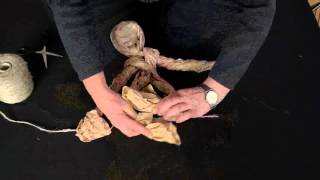


Folyamat

MAKING PAPER PUPPETS

https://www.youtube.com/watch?v=DJ5-Tsf65CA

Teaching our beneficiaries how to make simple paper puppets and props.

  1. We need a table, a few sheets of brown paper, scissors and some string (hemp string works very well).
  2. First, we need to make the paper more flexible and softer by crumpling and crushing it, so that it becomes similar to fabric – soft and flexible.
  3. Next, we tear it and form the shape of a head (a ball).
  4. We cover it with a wide paper sheet.
  5. We tie a string around the puppet’s “neck”.
  6. The rest of the paper below the neck should be twisted up into two arms. All parts must be tied up with string.
  7. The same must be done with two other long pieces of paper which will be used for torso.
  8. The paper sheet should be cut or torn in half.
  9. It should be twisted.
  10. One piece should be bent in half and wrapped around one of the puppet’s shoulders.
  11. Then, the procedure needs to be repeated and the two pieces should be joined and tied up with string at the top.
  12. The two pieces sticking down must then be joined together and tied up with string to form a circular shape.
  13. Two other long pieces of paper, which will be used for legs, should be twisted up.
  14. Just like the torso, the legs must be bent in half, twisted and wrapped around with string.
  15. Then, the torso should be covered with one wider sheet of paper.
  16. The sheet of paper should then be tied up with string.
  17. Thus, the basic structure of the puppet can be made.

Note:

· The trainees need to be pre-warned paper can cut your skin easily. Therefore, it is useful to wear thin protective gloves

· It may be difficult for the trainee to estimate how much paper/string is required to make a puppet, so the trainer should specify the amount depending on the desired puppet size. In general a big sheet of paper 1mx1,3m and 10 m of string should be sufficient to make one small puppet

· Various types of paper and string may be used. The ones that work the best are: manila (wrapping) paper and hemp string

Tanulási célok

Ismeretek

  • receive orders and plan own steps
  • describe the steps of making a puppet
  • explain to others how to make a puppet
  • name the different elements of a puppet
  • repeat the steps related to making a puppet

Készségek

  • receive orders and plan own steps
  • use information and communication
  • use certain IT devices (a smartphone; a tablet)
  • develop a plan of making a puppet
  • select appropriate materials for making a puppet
  • describe and discuss the procedure with the trainer/trainee

Kompetenciák

  • calculate production
  • apply problem solving techniques
  • reflect upon his/her own action
  • cope with and withstand strain and stressful situations in a way that is not harmful to health
  • communicate with appreciation with patients, family members/reference person groups involved in the care process
  • answer questions related to the making of paper puppets
  • express and receive situation-based criticism

Összesítés

We are hoping that by following the steps described above and using the additional materials provided through links below you will be able to successfully teach your trainees how to make paper puppets to be used as props, toys, or otherwise, thus helping them get included in the job market, increasing their skills and self-confidence.